
What'S The Best Song

📖 Table of Contents
- What Makes a Song 'Best' for Learning?
- How to Use Music to Enhance Learning
- Choosing the Right Song for Your Child
- The Power of Music in Homeschooling
- Using Music to Support Different Learning Styles
- How to Integrate Music into Daily Learning
- Encouraging Musical Exploration and Creativity
- Make It Your Way
- Frequently Asked Questions
I remember the first time my daughter asked me, 'What's the best song?' She was sitting cross-legged on the living room floor, holding a worn-out toy piano. Her eyes were wide with curiosity. I didn't have an immediate answer, but I knew this moment was significant. It was the start of a journey where music would become more than just a background hum—it would be a tool for learning, a bridge to connection, and a source of joy.[1]
Over the next few weeks, I began noticing how music shaped our days. From the lullabies I sang during her bedtime routine to the upbeat tunes we played while dancing in the kitchen, every note seemed to carry a purpose. I realized that 'what's the best song' wasn't just a question about music; it was a question about engagement, about making learning fun. About finding the right fit for my child's unique needs and interests.[2]
As I experimented with different styles of music—classical, folk, even some of my own original tunes—I started to see patterns emerge. Some songs sparked her curiosity, others helped her focus, and a few even became her favorite way to express herself. This journey taught me that the 'best song' isn't a one-size-fits-all answer. It's a deeply personal and dynamic choice that depends on the learner, the lesson, and the moment.[3]
Why You'll Love This Music-Based Learning Strategy
- Encourages active listening and creativity
- Adaptable to different learning styles and ages
- Builds a foundation for musical and cognitive skills
- Creates joyful, memorable learning experiences
What Makes a Song 'Best' for Learning?
As of November 2026, when my daughter asked me what the best song was, I realized that the answer depended on the context. Was she trying to learn about numbers, or was she just in the mood for a fun melody? It all came down to matching the song to the moment. I started keeping a list of songs that worked well for different activities, such as counting, storytelling, or even vocabulary building.[4]
I discovered that songs with repetitive lyrics were especially effective. They helped her retain information and made the learning process feel more like play. For example, we used a simple counting song that she could sing along to while sorting her toys. It was engaging and made learning feel natural.
I also noticed that songs with a strong rhythm or beat helped her focus better. During a busy day, a few minutes of singing a focused tune helped her calm down and refocus. This taught me that the 'best song' isn't always the most popular one—it's the one that works best for the learner at that moment.
Track which songs work best for different learning goals. This helps you quickly find the right track for the right moment.
Part of our Music elementary guide.
How to Use Music to Enhance Learning
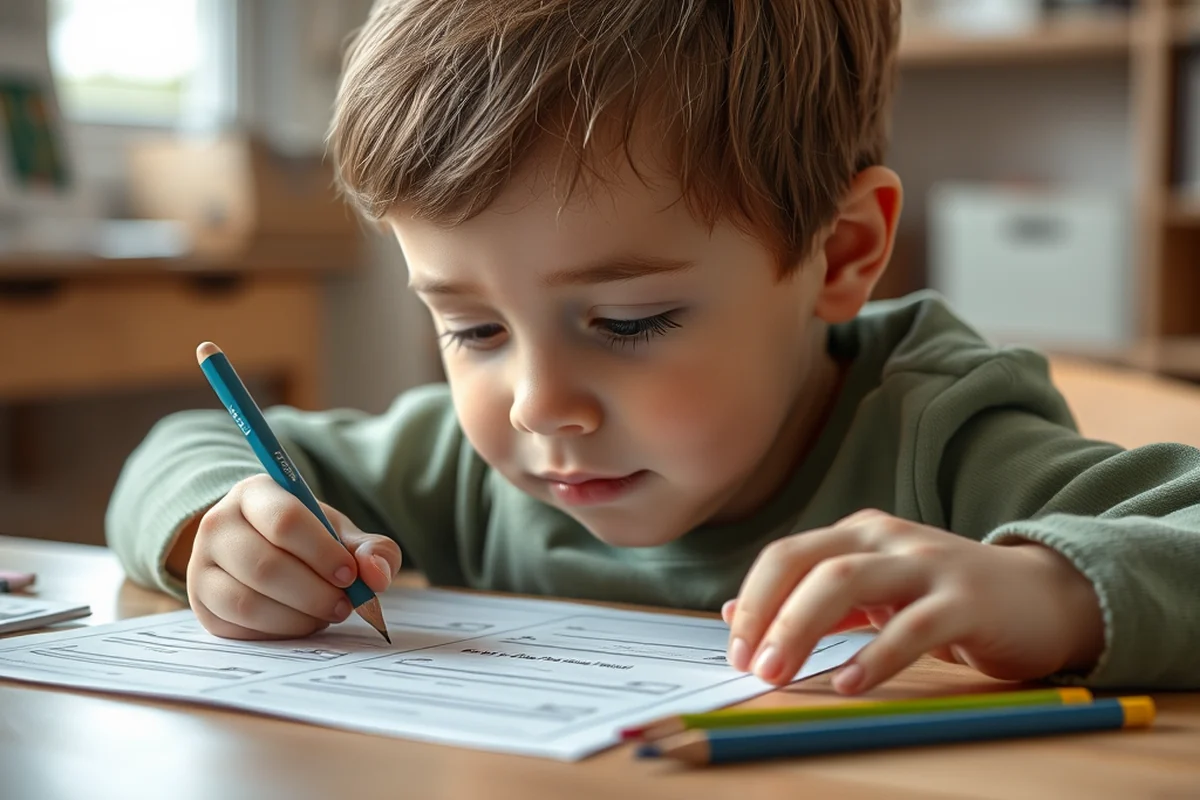
I began to incorporate music into our daily routine more intentionally. Whether we were learning about shapes, counting, or even emotions, I would choose a song that fit the theme. For example, we used a simple melody to learn about the days of the week, and my daughter would sing it while sorting her toys into different categories.
One of the most surprising benefits was how music helped with memory retention. I noticed that she remembered the days of the week much faster when we sang them in a song compared to just reciting them. It made the information stick in a way that was both fun and effective.
Another benefit was the way music helped her express her emotions. We used a song about feelings to help her identify and describe her moods. It was a powerful way to connect with her and teach her emotional intelligence.
Music is not just an accompaniment to learning—it is the learning.
Related: Mother son dance songs
Choosing the Right Song for Your Child
I learned that the best way to choose a song was to pay attention to my daughter's preferences. Did she enjoy songs with a lot of movement, or did she prefer ones that were more reflective? I also considered the type of learning we were doing. For example, if we were working on phonics, I would choose songs that had clear pronunciation and repetition.
One of the best songs we used was a simple nursery rhyme that had a lot of repetition. It helped her with both phonics and memory. She would sing it over and over, and I found that she retained the information much better than when we just practiced it without music.
I also found that involving my daughter in the process helped her feel more connected to the music. We would discuss which songs she liked best and why. This made her feel like an active participant in her learning.
Let your child help choose the songs that work best for them. This increases their engagement and investment in the learning process.
“I remember the first time my daughter asked me, 'What's the best song?' She was sitting cross-legged on the living room floor, holding a worn-out…”— Teaching Music to Homeschoolers editors
Related: Taylor swift bangs
The Power of Music in Homeschooling

I was surprised by how much music enhanced our homeschooling experience. It wasn't just about making learning fun—it was about making it stick. For example, we used a song about the alphabet to help my daughter learn the letters. She would sing it while tracing the letters on a piece of paper, and I noticed that she remembered the letters much better than when we just practiced them through flashcards.
Another way music helped was by creating a sense of structure and routine. We had a set time each day for music, and it became a way for her to transition between activities. It helped her focus and stay on task, even during the busiest parts of the day.
I also noticed that music helped with social skills. When we sang songs together, it created a sense of connection and bonding. It was a simple but powerful way to build relationships while learning.
Related: What s the best headphones for music
Using Music to Support Different Learning Styles
I found that music could be adapted to support different learning styles. For example, my daughter was a visual learner, so we used songs that had accompanying visuals, such as videos or images that matched the lyrics. This helped her better understand the content.
For auditory learners, we focused on songs with clear pronunciation and repetition. These helped reinforce key concepts and made learning more effective. I noticed that she retained information better when she was listening to the songs repeatedly.
I also found that music was helpful for kinesthetic learners. We used songs that involved movement, such as dancing or clapping. This made learning more active and engaging, and it helped my daughter stay focused for longer periods.
Related: What s the best headphones for listening to music
How to Integrate Music into Daily Learning
I made a point of integrating music into our daily routine, whether it was during meals, playtime, or even bedtime. For example, we used a simple counting song during snack time to help my daughter practice her numbers. It was a fun way to reinforce learning without making it feel like a chore.
I also found that using music during transitions helped my daughter stay on track. For example, we would sing a short song to signal the end of playtime and the beginning of a new activity. It helped her understand the structure of our day and stay focused.
One of the most effective ways I used music was during storytelling. We would use a song to set the scene for a story, and my daughter would sing it while acting out the plot. It made learning more immersive and engaging.
Music can turn even the most mundane moments into learning opportunities.
Related: Cheap trick songs
Encouraging Musical Exploration and Creativity
I noticed that giving my daughter the freedom to explore music on her own helped her develop a deeper connection with it. She would often ask me to play different songs and try to sing along, even if she didn't know all the lyrics. It was a way for her to express herself and connect with music on her own terms.
I also encouraged her to create her own songs. We would sit together and make up simple tunes about the things she was learning. It was a fun and creative way for her to reinforce what she was learning while also expressing her thoughts and ideas.
One of the most rewarding moments was when she started composing her own songs. It showed that she had a natural talent for music and that she was able to use it as a tool for learning. It was a powerful reminder of the importance of encouraging creativity and exploration in children.
🎶 Younger Kids (Ages 3-5)
Use simple, repetitive songs with strong beats and visual elements to keep attention and build foundational skills.
🎹 Older Kids (Ages 6-12)
Choose songs with more complex lyrics and themes to support advanced learning goals and creativity.
⏳ No-Prep Version
Pick a familiar song from your child's favorite playlist and use it as a spontaneous learning tool during daily routines.
👨👩👧👦 Group Version
Incorporate music into group activities or family time, using songs that encourage participation and shared learning.
🎨 Extension Activity
After listening to a song, have your child draw or act out the story, reinforcing learning through multiple modes of expression.
| The mistake | Why it happens | The fix |
|---|---|---|
| Choosing a song that doesn't match the child's learning style or interests. | This can lead to disengagement and a lack of connection with the learning material. | Take the time to understand your child's preferences and learning style before selecting songs. |
| Using music in a way that feels forced or inauthentic. | This can make learning feel like a chore rather than a fun and engaging experience. | Use music in a way that feels natural and meaningful to your child. Let them be a part of the process. |
| Overusing music without clear learning goals. | This can lead to a lack of focus and make it difficult to track progress or measure learning outcomes. | Set clear learning goals and use music as a tool to support those goals. |
| Neglecting to involve the child in the process. | This can make the learning experience feel less personal and less engaging for the child. | Involve your child in the selection and creation of songs to increase their investment and connection to the learning process. |
What'S The Best Song
Common Questions
How can I find the best songs for my child's learning goals?
Can music be used for all subjects?
How often should I use music in my homeschooling routine?
What if my child doesn't like music?
References
- Critical Discourse Analysis in the “What a Wonderful World” Song ... (academia.edu)
- State Song, Alaska Kids' Corner, State of Alaska (alaska.gov)
- lyrics: mary had a little lamb - American English (americanenglish.state.gov)
- Classifying Songs and Societies to Promote Cultural Equity—Can It ... (arts.gov)
Cite this guide
Teaching Music to Homeschoolers (2026). What's the Best Song for Homeschooling and Learning. https://melodystart.com/what-s-the-best-song/
Feel free to cite or share this guide.
Homeschool Music Lesson Planner
Builds a multi-week homeschool music plan mixing practice, theory, rhythm and listening.
Open it free →