
What Is For What It'S Worth About Song

📖 Table of Contents
- Why ‘What Is for What It’s Worth’ Works as an Educational Tool
- How to Introduce the Song to Younger Children
- Adapting the Song for Older Children and Teens
- Creating a Family Sing-Along Tradition
- Using the Song for Emotional Expression
- How the Song Encourages Self-Awareness
- The Long-Term Benefits of Using the Song
- Make It Your Way
- Frequently Asked Questions
I still remember the first time I heard my 4-year-old daughter hum the tune to ‘What Is for What It’s Worth’ during a car ride. It wasn’t just the melody that surprised me—it was the way she sang it with such confidence, as if she’d been practicing for months. That moment made me realize how powerful songs can be, especially when they’re taught with purpose and intention. ‘What Is for What It’s Worth’ is more than a song; it’s a lesson in values, a tool for emotional expression, and a bridge to deeper learning.[1]
As a homeschooling parent, I’ve discovered that integrating music into our daily routine transforms even the most challenging lessons into engaging, memorable experiences. Songs like ‘What Is for What It’s Worth’ are more than just entertainment—they serve as vehicles for teaching empathy, reflection, and self-awareness. I’ve seen how this particular song, when used correctly, helps children explore the weight of choices, the meaning of fairness, and the importance of treating others with respect.
In our home, we’ve turned ‘What Is for What It’s Worth’ into a weekly ritual. I play the song while we do chores, and it’s not unusual for my kids to pause mid-task and sing along. The lyrics, which reflect on the value of effort and the impact of actions, have become a kind of anthem for our family. This isn’t just music—it’s education, wrapped in melody and rhythm.
Why You'll Love This Activity
- Encourages deep emotional and moral reflection in children
- Promotes active listening and lyrical engagement
- Serves as a foundation for meaningful family discussions
- Can be adapted across multiple age groups and learning styles
Why ‘What Is for What It’s Worth’ Works as an Educational Tool
As of November 2026, ‘What Is for What It’s Worth’ is a song that resonates on multiple levels. The lyrics, which explore the idea that actions have value and consequences, are not only poetic but deeply educational. I’ve found that when children listen to this song, they begin to ask questions like, ‘Why does doing the right thing matter?’ and ‘What happens if we don’t treat others well?’ These are the kinds of conversations that lay the groundwork for moral development.
In one instance, after we listened to the song, my 5-year-old son asked, ‘Is it okay to take a toy if someone else doesn’t want it?’ We used the song to explore the idea of respect. The discussion that followed lasted over an hour. That’s the kind of engagement music can create—without a single worksheet or textbook.
I’ve also used the song to help my children reflect on their choices. After we finish a task, we sing the chorus and talk about what we learned. It’s a simple ritual, but it’s made a noticeable difference in how my kids approach responsibilities and interactions with others.
After listening to the song, ask your child, ‘What did the song make you think about?’ and follow up with, ‘What would you do differently if you were in that situation?’ This builds critical thinking and empathy.
How to Introduce the Song to Younger Children
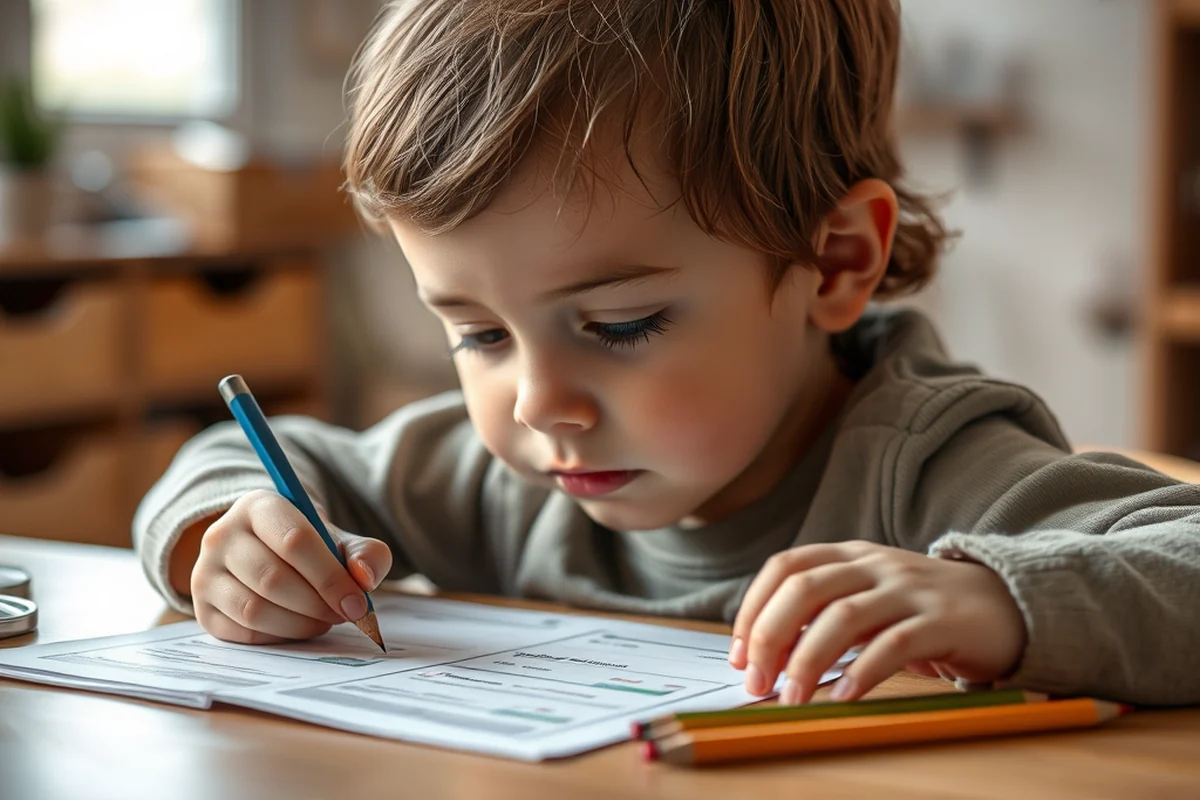
For kids under the age of six, I recommend pairing the song with simple stories or images that reflect its themes. I created a short story where a child decides to help another instead of taking something they wanted. Then, we read the story together before listening to the song. This helps younger children connect the lyrics to real-life situations.
I’ve also used picture cards and felt boards to help my 3-year-old understand the song. We act out parts of the lyrics, like ‘What is for what it’s worth’ by placing pictures of items and asking what each is worth. This makes the song more interactive and helps children grasp abstract ideas.
One of the most effective tools I’ve used is a printable worksheet with simple questions, such as, ‘What did the song make you feel?’ and ‘What would you do if this happened to you?’ These tools help younger children internalize the song’s message in their own words.
Music is the language of the heart—especially for young children.
Related: How is ai music generator
Adapting the Song for Older Children and Teens
For older kids, I’ve used the song as a foundation for more advanced conversations about ethics, consequences, and personal responsibility. We’ve discussed topics like the importance of integrity, the cost of selfishness, and the value of hard work. The song’s lyrics provide a natural framework for these conversations.
One of the most impactful discussions I had with my 12-year-old was about the line, ‘What is for what it’s worth.’ We explored how different things have different values. How people sometimes make poor decisions because they don’t think about the long-term consequences. It was a powerful moment of learning, and the song was the catalyst.
I’ve also used the song to create written assignments, such as essays or journal entries, where students reflect on a time when they had to make a hard choice and what they learned from it. This helps students connect the song’s message to their own lives.
Ask older children to write a short reflection on a time when they had to make a difficult choice. Encourage them to think about what the song taught them and how it might influence their future decisions.
“I still remember the first time I heard my 4-year-old daughter hum the tune to ‘What Is for What It’s Worth’ during a car ride.”— Teaching Music to Homeschoolers editors
Related: Free music online
Creating a Family Sing-Along Tradition

One of the most rewarding aspects of using this song is turning it into a family ritual. We sing it during meals, during chores, and even before bedtime. It’s a way for our family to connect and reflect on the day together. The song has become a kind of family anthem, and it’s brought us closer in unexpected ways.
I’ve also used the song as a way to mark the beginning and end of the day. When we wake up, we sing the first verse, and when we go to bed, we sing the last. It’s a simple way to start and end our days with a sense of purpose and reflection.
The song has also helped us create a sense of accountability within our family. When we sing the chorus, we each take turns talking about what we did well that day and what we could do better. It’s a gentle but powerful way to reinforce positive behavior.
Related: What is music theory about
Using the Song for Emotional Expression
I’ve found that this song is particularly effective for helping children process their emotions. The lyrics encourage reflection, and the melody is calming. I’ve used it with my children after difficult days or when they’re feeling overwhelmed. Singing the song together allows them to release their feelings in a safe, structured way.
One of the most touching moments was when my daughter was upset about a friend who didn’t include her in a game. We sang the song, and she began to talk about how she felt. The lyrics helped her articulate her emotions, and we were able to have a meaningful conversation about how to handle the situation.
I’ve also used the song as a way to help my children navigate difficult emotions like jealousy or anger. The song’s message of fairness and effort helps them understand the importance of treating others well, even when they’re feeling frustrated.
Related: What is a in sheet music
How the Song Encourages Self-Awareness
One of the most valuable lessons the song has taught my children is the importance of self-awareness. After listening to the song, they’ve started to think more deeply about their choices and how they affect others. I’ve noticed a shift in their behavior, especially in how they interact with their siblings and friends.
We’ve used the song to help my children understand that their actions have consequences. For example, after my son took a toy from his sister, we sang the song and talked about how his actions affected her. He began to see the importance of being considerate and respectful.
The song has also helped my children become more aware of their own emotions and how they express them. They’ve started to recognize when they’re feeling angry or frustrated and how to handle those feelings in a healthy way.
Self-awareness starts with reflection—and music is the perfect teacher.
Related: What is gospel music about
The Long-Term Benefits of Using the Song
Over the years, I’ve seen the impact of using this song in our home. My children have become more empathetic, more reflective, and more aware of the consequences of their actions. The song has helped them develop a strong moral compass, and I believe that’s one of the most important lessons they can learn.
I’ve also noticed that my children have become better problem-solvers. They use the song as a reference point when they’re faced with difficult choices, and they’re more likely to think through the consequences before acting. This kind of critical thinking is invaluable as they grow.
Perhaps the most rewarding part of using this song is the way it’s brought our family closer together. We’ve created a shared experience that’s both educational and meaningful, and I believe that’s one of the greatest gifts we can give our children.
🎵 Younger Kids Version
Use simple storytelling and visual aids to help younger children understand the song's message.
📖 Older Kids Version
Encourage deeper reflection and discussion about the song’s themes of responsibility and consequence.
🎧 No-Prep Version
Simply listen to the song and use it as a starting point for spontaneous conversations and reflections.
🤝 Group Version
Use the song in group settings like family dinners or playdates to encourage shared reflection and discussion.
✍️ Extension Activity
Create a drawing or written reflection that explores how the song applies to your child’s life.
| The mistake | Why it happens | The fix |
|---|---|---|
| Treating the song as just entertainment without reflection. | This misses the opportunity to engage with the song’s deeper messages and values. | Use the song as a starting point for meaningful conversations and reflections about responsibility, fairness, and emotional awareness. |
| Forcing the song on younger children without context. | This can be confusing or overwhelming for young learners who need visual or narrative support to understand the lyrics. | Pair the song with storytelling, pictures, or simple activities that help younger children connect the lyrics to real-life situations. |
| Not adapting the song for different age groups. | Children of different ages have different cognitive and emotional needs, and the song should be tailored to their level of understanding. | Use different approaches for younger and older children, such as storytelling for younger learners and more complex discussions for older ones. |
| Ignoring the song’s impact on family dynamics. | The song can create a powerful sense of connection and shared values, which is often overlooked when used in isolation. | Integrate the song into daily routines and use it as a way to foster deeper family connections and reflection. |
What Is For What It'S Worth About Song
Common Questions
How can I use the song to teach my child about responsibility?
Can this song be used with very young children?
How can I encourage my child to reflect on the song’s message?
What are some ways to make the song a family tradition?
References
- Listening Effectively – Dr. John Kline - Air University (media.defense.gov)
Cite this guide
Teaching Music to Homeschoolers (2026). What Is For What It'S Worth About Song. https://melodystart.com/what-is-for-what-it-s-worth-about-song/
Feel free to cite or share this guide.
Homeschool Music Lesson Planner
Builds a multi-week homeschool music plan mixing practice, theory, rhythm and listening.
Open it free →