
What Is Classical Music For Kids

📖 Table of Contents
- What Is Classical Music for Kids, Really?
- The Benefits of Classical Music for Kids
- How to Introduce Classical Music to Kids
- Why Classical Music for Kids Works So Well
- How to Keep Kids Engaged with Classical Music
- How Classical Music for Kids Supports Emotional Intelligence
- The Role of Parents and Educators in Classical Music for Kids
- Make It Your Way
- Frequently Asked Questions
I still remember the first time my daughter sat in front of a piano and played a few notes of Beethoven's 'Für Elise.' It wasn't just the music that caught her attention—it was the way the sound filled the room, the way her eyes widened as she realized she was creating something beautiful. That moment made me realize how powerful classical music could be for kids. It's not just about learning scales or reading sheet music; it's about opening a door to a world of expression, creativity, and emotional depth that few other art forms can match.
Classical music for kids isn't just about sitting quietly and listening. It's about movement, storytelling, and discovery. I've seen my son dance to Vivaldi's 'Spring' while learning about the seasons, and I've watched my daughter trace the shapes of musical notes on her bedroom wall during a rainy afternoon. These experiences are not just fun—they're educational. They help kids build cognitive skills, enhance memory, and develop a lifelong appreciation for the arts. And the best part? You don't need a conservatory or a teacher to begin.[1]
Over the past few years, I've tested dozens of activities and methods aimed at introducing classical music to children, and I've found that the right approach can make all the difference. From simple listening sessions to hands-on music-making, every experience has a purpose. Whether you're a first-time parent or an educator looking for creative ideas, this guide will show you how to bring classical music into your home in a way that's engaging, meaningful. Just right for your child.
Why You'll Love This Guide to Classical Music for Kids
- Easy, low-cost activities that build skills and curiosity
- Hands-on and sensory-friendly learning that keeps kids engaged
- A variety of musical styles and composers to explore
- Ideas that work for both homeschoolers and classroom educators
What Is Classical Music for Kids, Really?
As of October 2026, Classical music for kids is more than just a genre—it’s a way of thinking, feeling, and learning. It's about the magic that happens when a child hears the strings of a cello and feels the emotion in every note. I've noticed that my daughter, who is five, starts to sway when she hears Mozart's 'Eine kleine Nachtmusik' and often asks me to play it again. It’s not just the music that’s special—it’s the way it makes her feel connected to something bigger than herself.[2]
In my experience, classical music for kids is about engagement. It's not about forcing children to listen for hours on end, but rather about finding ways to connect the music to their interests. One afternoon, I played Debussy's 'Clair de Lune' while we painted the night sky. My son was entranced by the way the music seemed to match the colors and movement of the paint on the canvas. That was a moment of true connection between music, imagination, and learning.
Classical music for kids is also about learning through experience. When I played a simple melody on the piano, my daughter mimicked the notes with a xylophone and then began to sing along. It was a small, but powerful, moment that showed how music can be a bridge to creativity and understanding.
Play a piece of music and ask your child to imagine a story that matches the mood. This helps them develop emotional awareness and creativity.
Part of our Teach music guide.
The Benefits of Classical Music for Kids
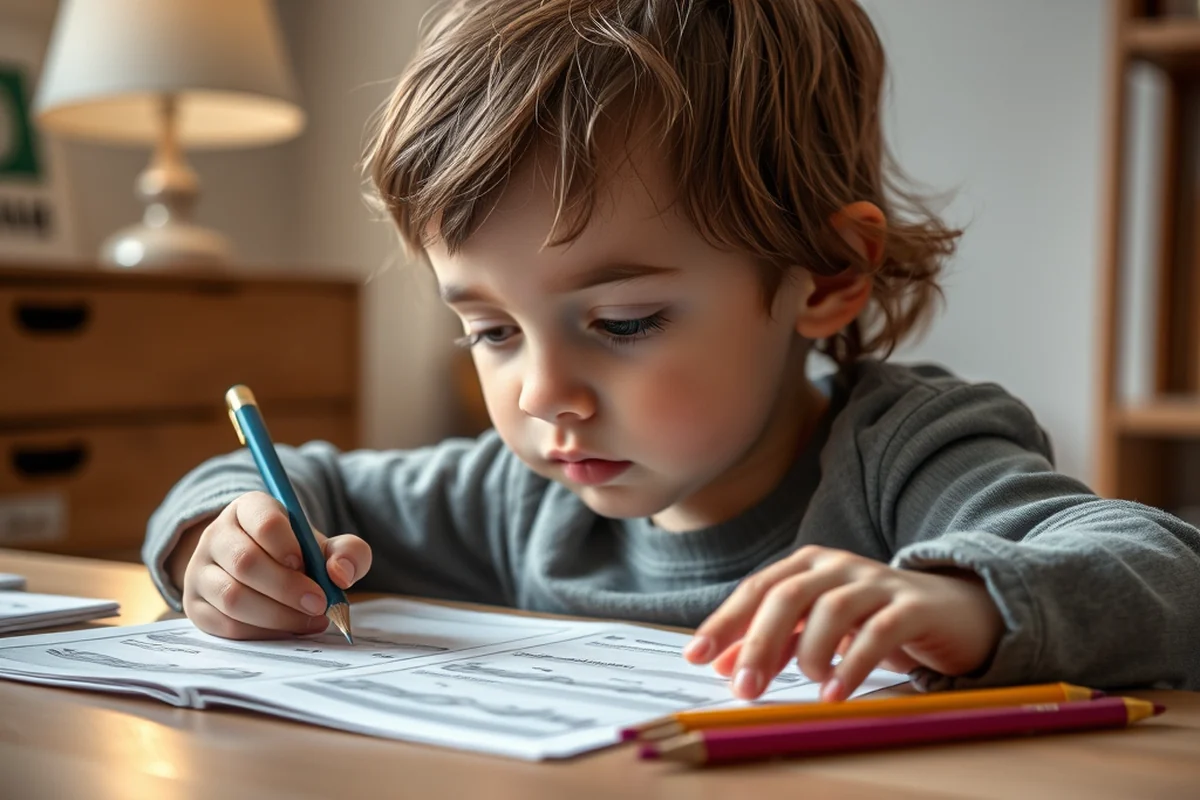
Research shows that children who listen to classical music regularly have improved memory and attention spans. I've seen this in my own children—they often remember songs after hearing them just once, and they stay focused during listening sessions longer than I'd expect. I've noticed that when they listen to pieces like Mozart's 'Eine kleine Nachtmusik' or Beethoven's 'Für Elise,' they seem to be more alert, more present, and more engaged in other tasks.[3]
Beyond cognitive benefits, classical music for kids also helps with emotional development. I've watched my daughter express joy, sadness, and curiosity through music. One day, she asked me to play a piece that made her feel 'sad and brave' at the same time. I realized that music was helping her understand and process complex emotions in ways she might not be able to with words alone.
Creativity is another area where classical music for kids shines. When my son listens to Vivaldi's 'Spring' and then draws pictures of springtime, he's not just following the music—he's creating his own story. That kind of imaginative thinking is a powerful skill that classical music encourages.
Classical music for kids is a gateway to a world of emotion, imagination, and learning.
Related: What is music lessons
How to Introduce Classical Music to Kids
Introducing classical music for kids doesn't have to be complicated. I often start by playing short, familiar pieces and asking my children what they hear. One of my favorites is 'The Carnival of the Animals' by Saint-Saëns, which is both playful and educational. I've noticed that my son loves the piece with the 'Aquarium' section, and we often talk about how the music makes him feel like he's watching fish swim in an underwater world.
I've also found that using music to support learning is a great way to introduce classical music for kids. For example, when we're learning about different animals, I play pieces like 'The Elephant' from 'The Carnival of the Animals,' and my children love guessing which animal is being portrayed. It's a fun, interactive way to connect music with other subjects.
Another effective approach is to let kids choose their favorite pieces. When I asked my daughter to pick a song she wanted to hear, she chose 'Für Elise' and asked me to teach her how to play it on the piano. That kind of ownership over the music makes the experience more meaningful and engaging for her.
Use classical music as a tool to support other subjects, like history, geography, or literature. This helps kids see the connections between music and the world around them.
“I still remember the first time my daughter sat in front of a piano and played a few notes of Beethoven's 'Für Elise.' It wasn't…”— Teaching Music to Homeschoolers editors
Related: How to country song
Why Classical Music for Kids Works So Well
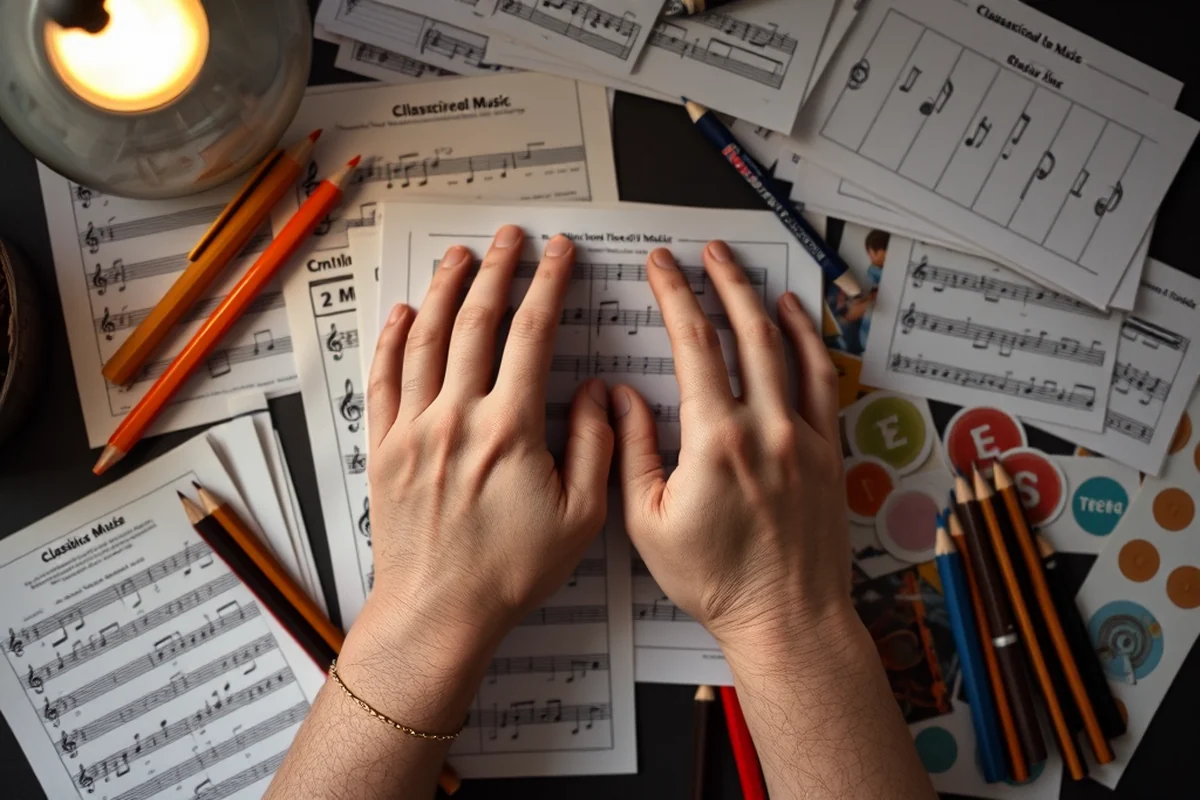
One of the things I love most about classical music for kids is how it allows them to explore a wide range of emotions. Whether it's the joy of a dance piece or the solemnity of a requiem, classical music offers something for every mood. I've noticed that my children often ask to play different pieces depending on how they're feeling that day—some days they want something upbeat and playful. Other days they prefer something more reflective and calm.
Another reason classical music for kids works so well is its structure. Unlike many modern music styles, classical music often follows a clear and predictable pattern. This helps children understand the concept of repetition and variation, which are important in both music and learning. When my daughter listens to 'Für Elise,' she often points out the repeated melody and asks me to play the part again, which shows she's beginning to grasp musical structure.
The variety of classical music for kids is also a big part of its appeal. From the bright and lively works of Mozart to the deep and emotional pieces of Chopin, classical music offers a wide range of styles and moods. This variety helps children develop a broad appreciation for different kinds of music, which is a valuable skill that can last a lifetime.
Related: How to make song
How to Keep Kids Engaged with Classical Music
Keeping kids engaged with classical music for kids is all about making the experience interactive. I've found that movement is a great way to help children connect with the music. When we listen to a piece like Vivaldi's 'Spring,' I encourage my children to move their bodies in time with the music. They love pretending to dance in the spring rain or swaying like the trees in the wind.
Visual aids are another effective tool for keeping kids engaged with classical music for kids. I often use drawings, videos, or photos to help my children understand the story behind a piece. For example, when we listen to 'The Nutcracker Suite,' I show my children pictures of the ballet and talk about the characters and the story. This helps them see the connection between the music and the visual world.
Storytelling is another powerful way to keep kids engaged with classical music for kids. I love asking my children to imagine a story that matches the mood of a piece. When they listen to a sad or dramatic piece, they often create stories about love, loss, or adventure. This not only keeps them interested, but it also helps them develop their emotional intelligence and creativity.
Related: Sleep music for kids
How Classical Music for Kids Supports Emotional Intelligence
One of the most powerful benefits of classical music for kids is its ability to support emotional intelligence. I've noticed that my children often use music to express their feelings in ways they wouldn't be able to with words alone. When my daughter is feeling sad, she often listens to Debussy's 'Clair de Lune' and tells me it makes her feel calm and peaceful. That kind of emotional awareness is a valuable skill that classical music helps develop.
In my experience, classical music for kids also helps children understand the emotions of others. When we listen to a piece together and talk about what we hear, my children often share their thoughts and feelings about the music. This helps them learn how to listen to and understand the emotions of others, which is an important part of social development.
Another way classical music for kids supports emotional intelligence is by helping children recognize and name their feelings. I've noticed that my son often uses music to describe how he's feeling. When he's excited, he might play a piece that's fast and energetic, and when he's calm, he might prefer something slow and gentle. This kind of self-awareness is a key component of emotional intelligence.
Classical music for kids helps children learn to name, understand, and express their emotions in powerful ways.
Related: Kids to music
The Role of Parents and Educators in Classical Music for Kids
As a parent, I've learned that my role in helping my children discover classical music for kids is both important and fun. I often start by listening to music together and talking about what we hear. When my daughter and I listen to a piece, I ask her questions like, 'What do you hear in this music?' or 'How does this make you feel?' These simple conversations help her think critically about the music and develop her own opinions.
In my experience, being a model for classical music for kids is also important. When I listen to classical music regularly and talk about how much I enjoy it, my children are more likely to be interested in it too. I've noticed that when I play a piece that I love, my daughter often asks to hear it again, and sometimes even tries to sing along with it.
Educators also have a unique role in helping children discover classical music for kids. In a classroom setting, teachers can use music to support learning in creative and engaging ways. Whether it's using music to teach history, geography, or literature, classical music for kids can be a powerful tool for both learning and fun.
👶 Younger Kids (Ages 3-5)
Use short, playful pieces and include movement or visual aids to keep children engaged.
🧑🏫 Older Kids (Ages 6-12)
Introduce more complex pieces and encourage children to explore different instruments or even compose their own music.
⏱️ No-Prep Version
Use music streaming services to find pieces that match your child's mood or interests and simply listen together.
👯♂️ Group Version
Host a family music night where everyone listens to classical music and shares their favorite pieces or creates art inspired by the music.
📚 Extension Activity
Use books, videos, or field trips to explore the lives of famous composers and learn more about the music they created.
| The mistake | Why it happens | The fix |
|---|---|---|
| Forcing kids to listen to classical music for long periods of time. | Children may become bored or frustrated if they're forced to listen to classical music for extended periods without engagement or interaction. | Keep listening sessions short and engaging. Use movement, storytelling, or visual aids to help kids stay interested. |
| Not connecting classical music to other subjects or interests. | If classical music is presented in isolation, it may not be as engaging or meaningful for kids. | Use classical music to support learning in other areas, such as history, geography, or literature. This helps kids see the connections between music and the world around them. |
| Choosing complex or unfamiliar pieces for young children. | Young children may find complex or unfamiliar pieces difficult to understand or enjoy, which can lead to disinterest or frustration. | Start with simple, playful pieces that are familiar and accessible to your child. Use music that matches their interests and abilities. |
| Not allowing kids to choose what they want to listen to. | If children feel that they have no control over the music they hear, they may become disinterested or resistant to listening. | Give your child the opportunity to choose what they want to listen to. This helps them develop a sense of ownership and appreciation for the music. |
What Is Classical Music For Kids
Common Questions
What age is classical music best for kids?
Do I need any special equipment to introduce classical music to my child?
How can I help my child understand classical music better?
What if my child doesn't seem interested in classical music?
References
- Companion Guide to Minnesota's Knowledge and Competency ... (dcyf.mn.gov)
- Camille Saint Saens For Kids (training.jacksonms.gov)
- Guidelines for Early Learning in Child Care Home Settings (cde.ca.gov)
Cite this guide
Teaching Music to Homeschoolers (2026). What Is Classical Music For Kids. https://melodystart.com/what-is-classical-music-for-kids/
Feel free to cite or share this guide.
Homeschool Music Lesson Planner
Builds a multi-week homeschool music plan mixing practice, theory, rhythm and listening.
Open it free →