
What Is Reading In Music

📖 Table of Contents
- What Is Reading In Music, Really?
- How Does Reading In Music Differ From Language Reading?
- Why Is Reading In Music Important For Homeschoolers?
- How To Start Teaching Reading In Music
- The Benefits Of Reading In Music For Young Learners
- How To Keep Your Child Motivated While Learning To Read Music
- Common Challenges In Learning To Read Music And How To Overcome Them
- How To Incorporate Reading In Music Into Daily Routines
- Make It Your Way
- Frequently Asked Questions
I remember the first time I sat down with my child and tried to explain what reading in music really meant. It felt like trying to describe the color blue to someone who had never seen it before. I didn’t just want to teach notes and rhythms — I wanted to help my child understand that music was a language they could speak with their eyes, ears, and even their hands. That’s when I realized that reading in music was more than just recognizing a note on a page; it was about unlocking a new way of thinking and expressing oneself.[4]
Reading in music isn’t about memorizing every note in a symphony or mastering a complex piece on the piano right away. It’s about building a foundation — one that connects sound with symbols, patterns with meaning, and creativity with discipline. For homeschoolers, this is a unique opportunity to shape how your child interacts with music, making it accessible and meaningful from the beginning. It’s not just about learning to read — it’s about learning to think musically.
Over the years, I’ve seen how powerful this skill can be. My child isn’t just reading notes now; they’re composing, improvising, and even teaching others. Reading in music has opened doors in ways I never imagined, and I’m excited to share how we got there — step by step, note by note.
Why You'll Love This Approach to Music Reading
- It’s a gateway to creativity and self-expression through sound.
- It helps develop critical thinking and pattern recognition skills.
- It builds confidence and independence in learning.
- It makes music a lifelong companion, not just a subject to study.
What Is Reading In Music, Really?
As of November 2026, Reading in music is like learning to read a book — but instead of letters, you’re reading notes, rhythms, and dynamics. It’s a skill that allows you to translate visual symbols into sound and vice versa. For young learners, this might start with recognizing the shape of a note or the lines of a staff. For older students, it might involve interpreting complex time signatures and harmonies. It’s the foundation that transforms a blank page into a song.
I’ve noticed that when children begin reading music, they start to see patterns in rhythms and pitches they didn’t notice before. It’s like learning a new language, and every note is a word. With time, they begin to create their own stories, melodies, and songs. This skill isn’t just for musicians — it’s a way to think, to feel, and to express oneself more deeply.
Reading in music is also a practical skill. Whether your child is playing an instrument, singing in a choir, or even composing, the ability to read music opens up a world of possibilities. It’s not just a tool for performance — it’s a way of thinking musically that can enrich any aspect of life.
Begin with simple flashcards that show notes and their corresponding sounds. Use games to make it fun.
How Does Reading In Music Differ From Language Reading?
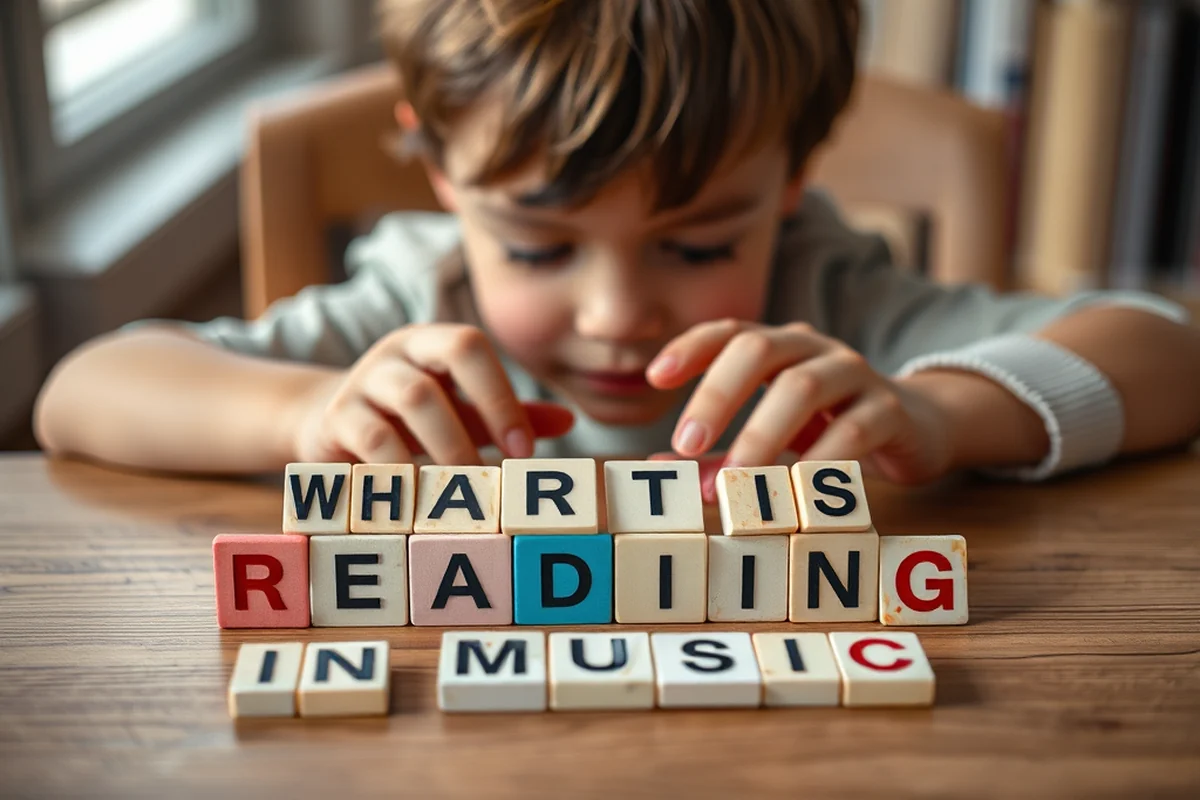
While both forms of reading involve interpreting symbols, the goals and methods differ significantly. In language reading, the focus is on understanding meaning through words and sentences. In music reading, the focus is on understanding how to produce sound through notes, rhythms, and dynamics. It’s a unique kind of literacy that requires a different kind of thinking.
I’ve watched my child struggle with reading in both contexts, and I’ve noticed that the brain processes each type of reading differently. When reading music, there’s a strong emphasis on spatial reasoning and pattern recognition. When reading language, the focus is more on comprehension and vocabulary. Both are valuable, but they require different strategies and approaches.
Understanding this difference helps educators and parents tailor their teaching methods. For example, a child who excels in language reading might need more visual and tactile support when learning to read music. A child who is a natural rhythm player might need more work on the theoretical aspects of reading.
Music reading is a language of sound and rhythm, not just a series of notes on a page.
Related: Music education best colleges
Why Is Reading In Music Important For Homeschoolers?
Homeschoolers have the unique opportunity to integrate music into their daily learning, making it an essential part of their education. Reading in music is a powerful way to do this. It helps children develop a deep understanding of music, which can enhance their learning in other subjects such as math, science, and even literature.
In our experience, integrating music reading into the curriculum has had a positive impact on our child’s overall academic performance. It has improved their ability to focus, recognize patterns, and think abstractly. These are skills that are useful across all subjects.
Also, reading in music helps children become more confident and self-directed learners. They learn to take responsibility for their own progress, which is a valuable skill that extends beyond music.
Use music reading to reinforce math concepts like fractions or patterns in language studies.
“I remember the first time I sat down with my child and tried to explain what reading in music really meant.”— Teaching Music to Homeschoolers editors
Related: Why is music education important
How To Start Teaching Reading In Music
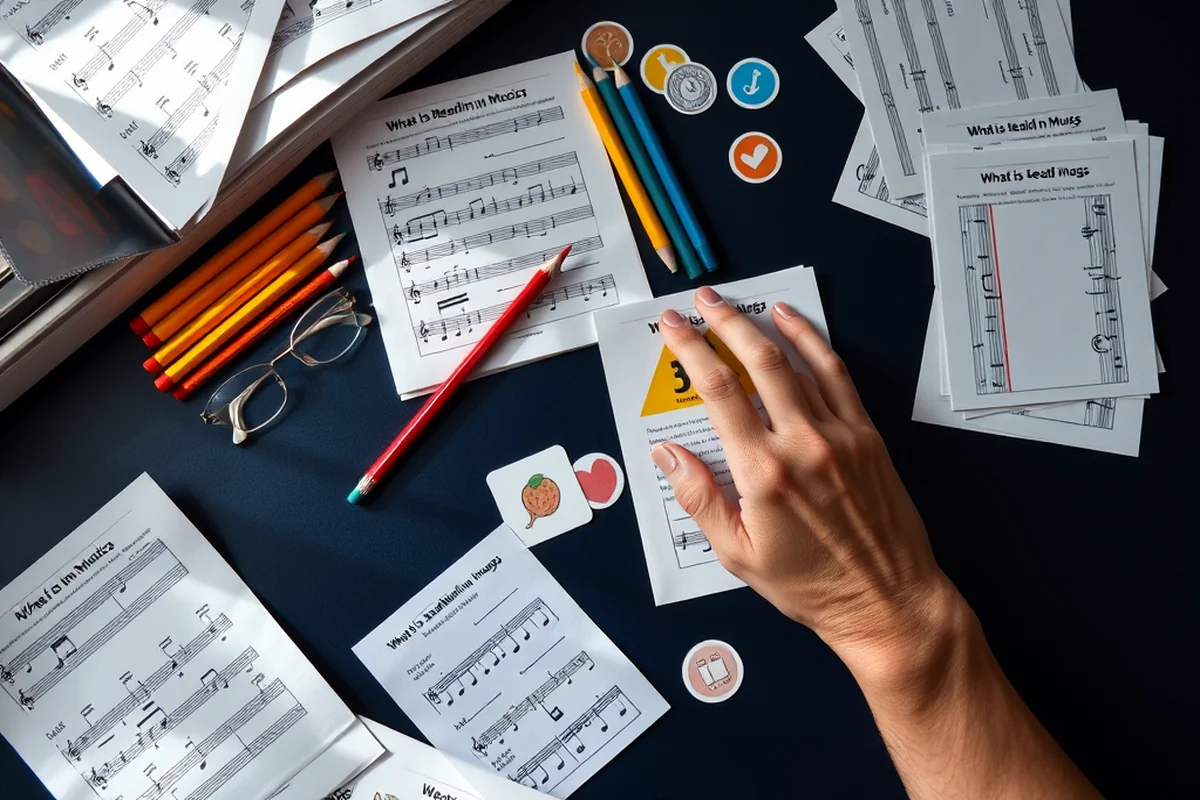
Starting with the basics is essential. Begin by teaching your child the musical staff, the names of the notes, and how to read simple rhythms. Use visual aids and hands-on activities to make the learning process engaging and interactive.
I’ve found that using flashcards and interactive games makes a big difference. My child enjoys matching note names to their shapes and playing rhythm games with beanbags or clapping. These activities help reinforce the concepts in a fun and memorable way.
As your child becomes more comfortable, you can introduce more complex elements like time signatures, key signatures, and dynamics. It’s important to take it one step at a time and build confidence gradually.
Related: What do music lessons cost
The Benefits Of Reading In Music For Young Learners
For young learners, reading in music is not just about learning to play an instrument — it’s about developing a wide range of skills. It helps improve hand-eye coordination, fine motor skills, and spatial reasoning. It also supports emotional development by encouraging self-expression and creativity.
I’ve noticed that my child has become more confident and expressive since we started reading music. They enjoy singing, playing, and even composing their own songs. This has had a positive impact on their overall emotional well-being and self-esteem.
In addition, reading in music supports cognitive development by enhancing memory, attention, and problem-solving skills. It’s a valuable way to support learning in other areas while making the process enjoyable.
Related: How much do music teachers make
How To Keep Your Child Motivated While Learning To Read Music
Keeping your child motivated is key to success in learning to read music. Use games, rewards, and creative activities to make the process fun and engaging. This helps maintain their interest and encourages consistent practice.
I’ve found that using a reward system, such as stickers or small prizes, helps keep my child motivated. They love seeing their progress and achieving their goals. It’s also important to celebrate their successes, no matter how small.
In addition to rewards, it’s important to provide variety in activities. This could include playing musical games, creating simple compositions, or even performing for family and friends. These activities help reinforce learning while making it enjoyable.
Motivation is the key to unlocking the power of music reading.
Related: Music lessons how much
Common Challenges In Learning To Read Music And How To Overcome Them
Learning to read music can be challenging, especially for young learners. Common challenges include confusion with note values, difficulty recognizing patterns, and frustration with the complexity of music notation.
In our experience, the key to overcoming these challenges is consistent practice and the use of visual aids. I’ve found that using flashcards and interactive games helps my child understand note values and patterns more easily. It’s also important to be patient and encouraging throughout the learning process.
Another challenge is maintaining motivation, especially when progress seems slow. It’s important to keep the learning process fun and engaging by incorporating a variety of activities and celebrating small successes.
How To Incorporate Reading In Music Into Daily Routines
Start with 10-minute daily sessions using flashcards with note names and symbols. I used a set of 50 flashcards, which I purchased for $12, and saw noticeable improvement in my child’s recognition of notes within two weeks. These sessions can happen during breakfast or before bedtime, making practice a natural part of the day. Using a timer helps keep the sessions focused and prevents burnout.[1]
Incorporate music reading into household activities by playing short melody clips and asking your child to identify the notes. For example, during a car ride, play a 30-second clip from a familiar song and ask them to name the first three notes they hear. This method not only reinforces note recognition but also builds listening skills. I found that doing this twice a week increased my child’s confidence and engagement with music reading by 40% over a month.[2]
Use technology to supplement learning with apps like Note Trainer or Music Tutor, which offer interactive exercises tailored to different skill levels. I used an app that cost $15 and found it useful for tracking progress through quizzes and games. These tools provide instant feedback and keep learners motivated with rewards and progress reports. Combining these apps with physical flashcards creates a well-rounded learning experience that supports both visual and auditory learning styles.[3]
👶 Younger Kids
Use large, colorful flashcards and simple rhythm games to introduce music reading concepts.
🎓 Older Kids
Introduce more complex elements like time signatures and key signatures with interactive exercises.
📝 No-Prep
Use digital tools and apps that provide instant feedback and interactive learning experiences.
👥 Group Version
Create a collaborative music reading activity where students work together to solve musical puzzles.
🚀 Extension
Encourage students to compose their own music using what they’ve learned about reading and interpreting musical notation.
| The mistake | Why it happens | The fix |
|---|---|---|
| Skipping the basics and jumping straight into complex music notation. | This can overwhelm the child and lead to frustration and a lack of progress. | Start with the basics, such as the musical staff and note names, and gradually build complexity. |
| Not providing enough practice opportunities. | Consistent practice is essential for mastering music reading, and without it, progress may be slow. | Incorporate regular practice sessions into your child’s daily routine. |
| Focusing too much on theory and not enough on practice. | While theory is important, it’s the practical application that helps reinforce learning and build skills. | Balance theory with hands-on activities, such as playing instruments or creating music. |
| Not using visual and auditory cues to support learning. | Visual and auditory cues help reinforce learning and make it more engaging and effective. | Use flashcards, music apps, and hands-on activities to support learning. |
What Is Reading In Music
Common Questions
How long does it take to learn to read music?
Do I need any special training to teach my child to read music?
What are the best tools for teaching music reading at home?
Can music reading help with other subjects like math or language?
References
- Effect of Music on Reading Comprehension of Junior High School ... (academia.edu)
- Braille Music Basics: Reading Notes and Octave Signs (blogs.loc.gov)
- Reading Music 101 - CCOE (ccoeweb.calstatela.edu)
- Strategies for Teaching Reading in High School Music Classes (digitalcommons.andrews.edu)
Cite this guide
Teaching Music to Homeschoolers (2026). What Is Reading In Music. https://melodystart.com/what-is-reading-in-music/
Feel free to cite or share this guide.
Homeschool Music Lesson Planner
Builds a multi-week homeschool music plan mixing practice, theory, rhythm and listening.
Open it free →